If you’re a creator looking to create an OTT platform, the idea can feel both thrilling and overwhelming. And with most Americans paying for 3 streaming services each month, the opportunity to build your own space and own your audience is only growing.
Owning your own platform gives you more control over how your content is presented, the ability to build deeper relationships with your audience, and the freedom to diversify your monetization.
At the same time, it’s completely normal to wonder what goes into launching something like this. Many people don’t know how to start an OTT business, or have concerns around costs and technical requirements.
The good news is that you don’t need to be a tech wizard to start an OTT platform or have a large budget to hire an agency to do it for you. Today’s creator-focused OTT platforms come with built-in tools that make it easy to launch and scale your own streaming platform.
In this guide, we’ll walk you through all the steps required to create an OTT platform.
Step 1: Understanding OTT platforms
First things first, what exactly is an OTT platform?
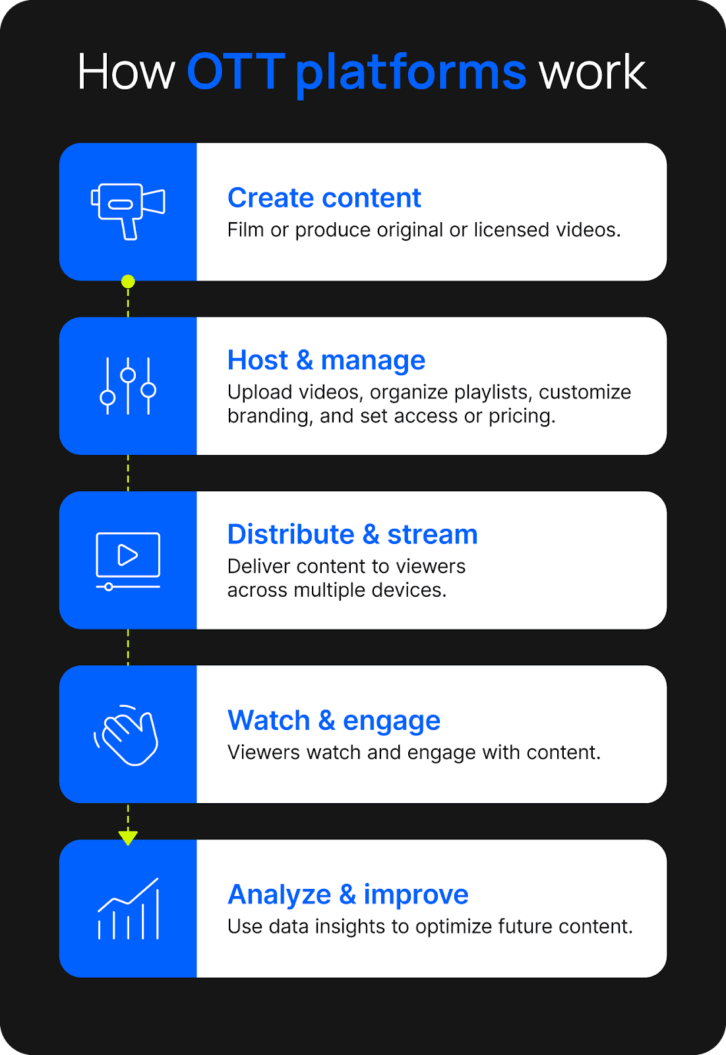
Simply put, OTT platforms deliver video content directly to viewers via the internet, bypassing traditional cable and satellite TV. Think Netflix, Disney+, and Hulu; these are the big players, but there’s plenty of room for niche content creators like you.
Key features of a successful OTT platform:
- User-friendly interface: Ensure your platform is easy to navigate. Viewers should find content quickly and effortlessly.
- High-quality streaming: Invest in good infrastructure to provide smooth, buffer-free viewing experiences.
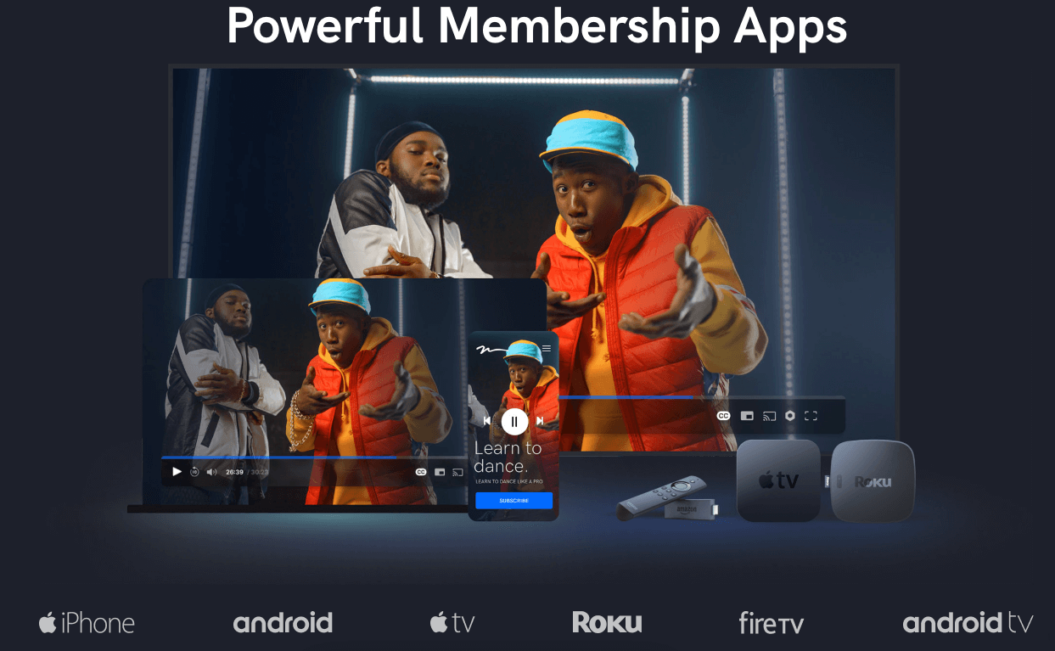
- Multi-device compatibility: Your audience should be able to watch your content on any device, whether it’s a smartphone, tablet, or smart TV.
- Personalization: Offer personalized recommendations to keep viewers engaged.
- Secure payment gateways: Make it easy and safe for your audience to subscribe or make one-time payments.
Step 2: Market research and planning
Before you jump into creating your OTT platform, a little groundwork will set you up for success. Here’s where to start:
Identify your target audience
Who are you creating content for? Understanding your audience’s preferences will help shape your content strategy.
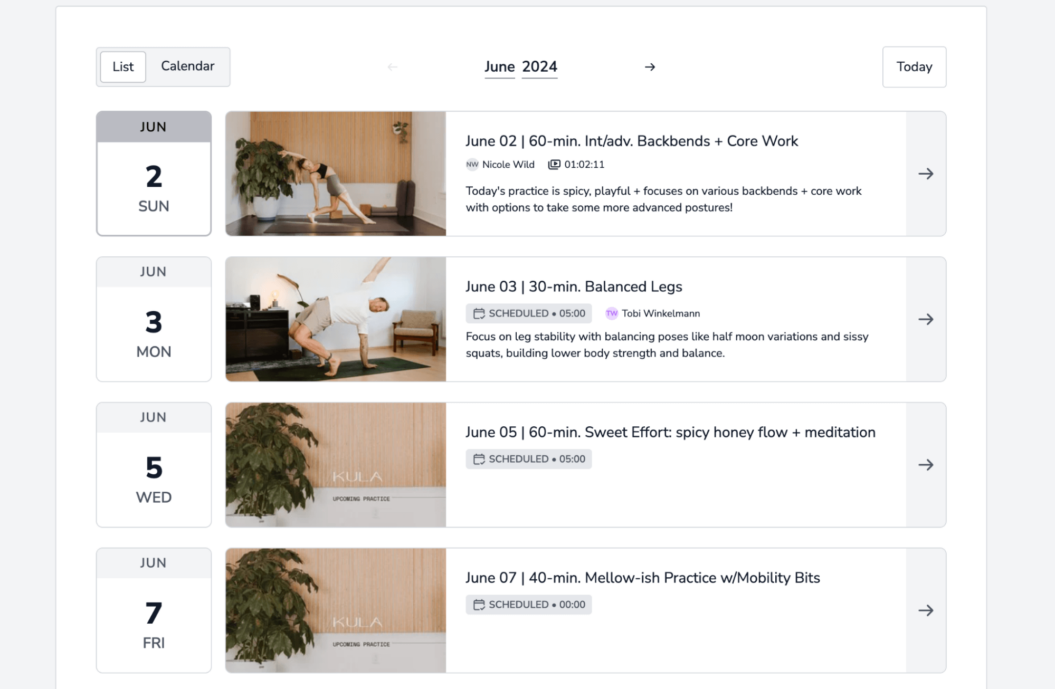
For example, Nicole Wilde focuses on helping yogis deepen their practice through her community-oriented membership platform, Collective Kula, carving out a niche market that’s underserved by mainstream platforms.
Here’s a sneak peek from her membership:
Step 3: Identify the “must-have” features of your OTT Platform
The most common reasons video content creators decide to start an OTT platform are that they want to:
- Monetize video content beyond YouTube Adsense and brand sponsorships
- Own their audience and grow engagement free from social media platforms’ algorithms
- Deliver a solid membership experience for their viewers, including additional offerings like coaching packages, offline retreats, and consultations
Missing the right OTT platform features can directly impact your members’ user experience and retention, which in turn impacts your revenue.
Take, for example, Brooke Cates, founder of Studio Bloom. One of Brooke’s main goals was to make her membership app easily accessible for her members. To do this, she needed to organize her extensive video content library of over 600 classes for easy navigation.
She moved to Uscreen to develop six mobile and TV apps:
- Apple Watch fitness tracker app
- iOS
- Android
- tvOS/Apple
- Android TV
- Roku
- Fire TV
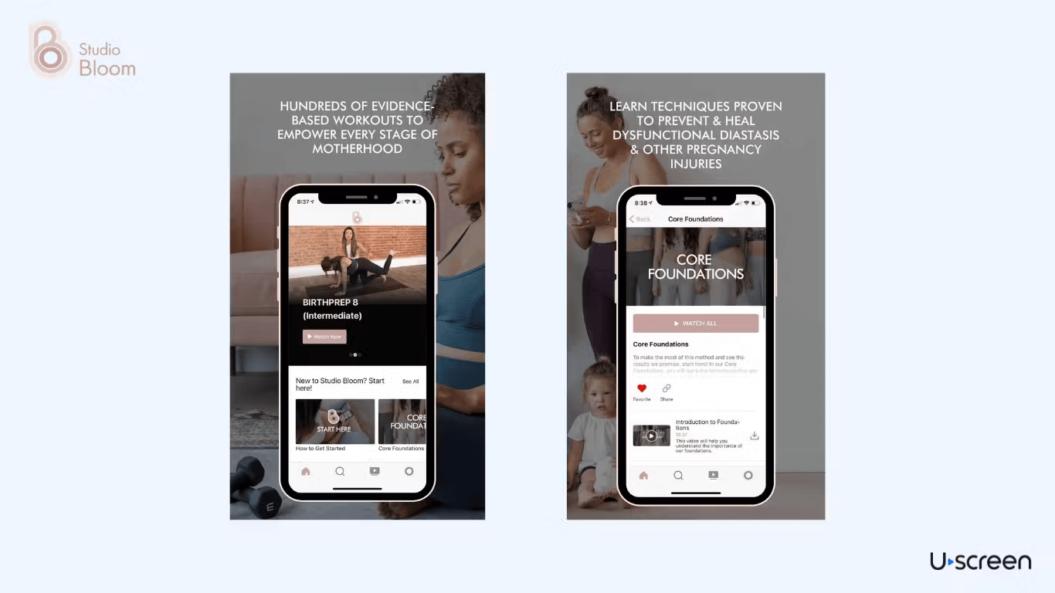
Now, with the Studio Bloom app available on multiple platforms, members can easily access training programs, meditations, and challenges on any device. They can also interact with guest speakers, coaches, and other members in the community forum.
With these features, Studio Bloom is seeing over $1 million in recurring revenue and over 76% viewership across all six apps.
There are plenty of features you could build into your OTT service, but more isn’t always better. Be intentional about what you include to ensure it enhances the user experience and meets the needs of your audience.
💡 Tip: Focus on quality and functionality over quantity to create a seamless and engaging platform.
Step 4: Content Acquisition and Licensing
Creating original content is crucial for standing out. Focus on solving your audience’s pain points or sharing insights from your unique professional experience. Offering additional or better content than your competitors helps turn your platform into a destination that keeps viewers coming back.
You can also supplement this unique content with licensed shows or live streaming to create a diverse, engaging library.
Here’s what to consider:
- Create original content: Original content sets you apart from competitors. Investing in high-quality production can make your platform the go-to place for unique content. Platforms like Disney+ and Netflix thrive on exclusive content, like The Mandalorian or Stranger Things.
- Acquire licensed content: In addition to original content, acquiring rights to popular shows or movies can attract a broader audience. Negotiate content licenses that align with your brand and audience interests.
- Diverse content offerings: Ensure a mix of content that appeals to various segments of your audience. This could include OTT live streaming, on-demand videos, and even user-generated content.
- Manage content rights and royalties: Use Digital Rights Management (DRM) technologies to protect your content from piracy and unauthorized access. Ensure clear agreements on royalties to avoid legal complications.
Step 5: Choose a tailored OTT platform provider
Your choice of OTT platform provider sets the foundation for your platform’s impact.
We often see creators’ growth limited because they’re using OTT platforms that aren’t fully tailored to their needs.
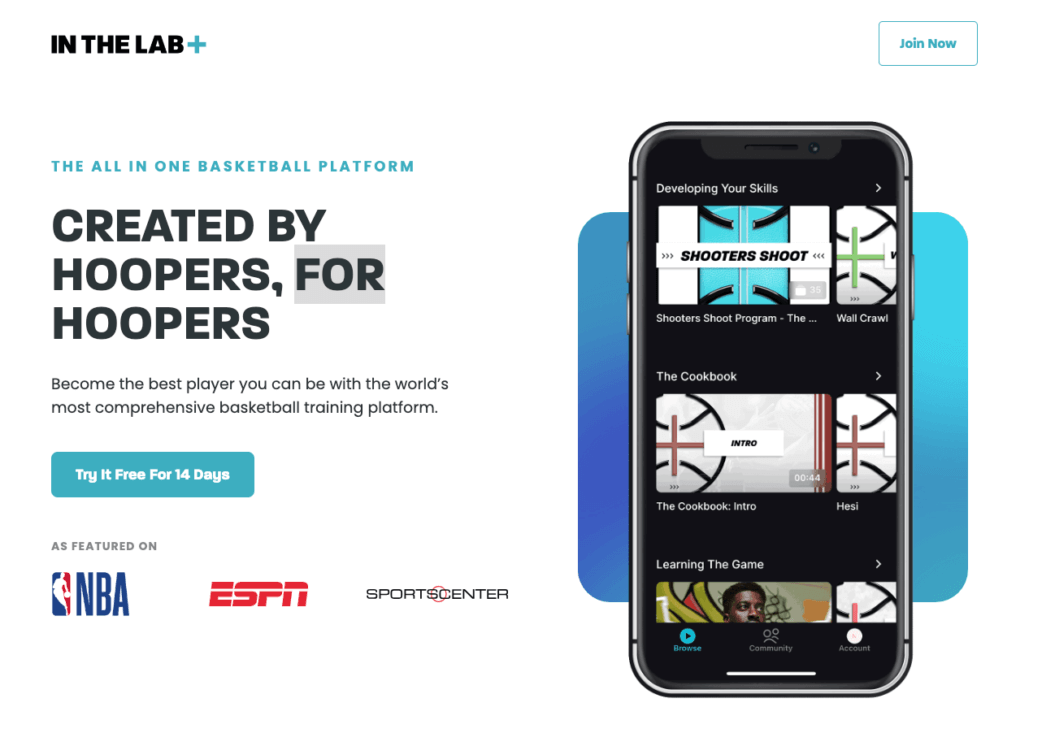
For instance, when Navin Ramharak, Co-founder of In the Lab+, was building his membership, he researched the top membership platforms and decided to go with a popular brand. In theory, it should’ve worked perfectly.
But once he started using the platform, reality set in. It lacked many essential features needed for a successful membership website, such as a community tab, content organization tools, and pricing tools.
He found the platform’s backend frustrating and difficult to manage.

The platform didn’t have many of the basic features we needed. Then I discovered Uscreen, which had all those essential features. I realized that while the popular platform was bigger, OTT was a new focus for them. Uscreen, on the other hand, was dedicated to OTT, saying ‘This is what we do!’ That clarity and focus made me realize Uscreen was what I needed for my membership business.
Navin shared his entire experience of migrating from his earlier platform to Uscreen, and it uncovers a lot of critical information that may help you choose a better, more tailored platform.
Another important thing is that creators often only look at OTT platform providers from a single perspective: either as a viewer or as the owner. In reality, you need to find a platform that offers an intuitive experience for viewers and is easy to manage from the creator’s side.
We already talked about the must-have features you should have in your OTT streaming platform. Here are the non-negotiable creator features your OTT platform should provide:
- Support and migration: Busy creators need time to focus on content creation and community growth, so work with a platform that makes support and migration easy.
- Customizable branded apps: You can launch fully branded mobile and TV apps across multiple devices, including iOS, Android, Roku, and Apple TV, ensuring your content is accessible everywhere under your brand.
- Video streaming quality: It should offer high-definition video streaming services with minimal buffering, providing your audience with a seamless and enjoyable viewing experience.
- Monetization options: You should have access to multiple revenue streams such as subscriptions, pay-per-view, and bundles, allowing you to generate consistent income from your content.
- Community features: It must have community tools that help you build, run, and scale your community with features like UGC, social profiles, challenges, and push notifications.
- Detailed analytics tools: You shouldn’t have to “assume” your OTT service’s performance. Look for a platform that provides insights to track user behavior and optimize your content strategies.
- Scalability: You may have a smaller community at the moment, but it’ll grow over time. Choose a platform that can scale to support both small and large audiences and content libraries.
- Marketing tools: You shouldn’t have to patchwork multiple tools to run your OTT service. Your platform should have built-in marketing tools to promote your brand, attract viewers, and boost engagement.
Step 6: Monetization Strategies
There are 4 main OTT monetization models you should consider for your OTT video platform:
- Subscription-based models (SVOD)
This is the most popular model for OTT platforms. Viewers pay a recurring fee, typically monthly or yearly, for unlimited access to your content. The key to success here is to offer enough value and exclusive content that subscribers feel they are getting their money’s worth.
- Ad-supported models (AVOD)
In this model, your content is free for viewers, but you generate revenue through advertisements. This model works well for creators with a large viewership, which attracts advertisers. YouTube is a prime example. To avoid frustrating your audience, keep the frequency and length of ads in mind.
- Transactional models (TVOD)
Here, viewers rent or purchase individual pieces of content. This model works for exclusive events, movies, or premium content. Examples include iTunes and Vimeo On Demand. It’s an excellent choice if your content has high perceived value and viewers are willing to pay per view.
- Hybrid models
Combining elements from different monetization models can maximize your revenue. For instance, you could offer a subscription service with ad-supported free tiers or Premium Video on Demand content alongside a regular subscription. This flexibility allows you to cater to different segments of your audience.
Factors for pricing your OTT video platform
When pricing your OTT video platform, take the following factors into account:
- Content value: Assess the quality and uniqueness of your content. High-quality, exclusive, or niche content can justify a higher price point.
- Audience demographics: Understand your target audience’s willingness and ability to pay. Pricing should reflect the economic realities of your audience while still offering value.
- Competitor analysis: Evaluate what competitors are charging for similar content.
- Monetization model: Decide whether you will use subscriptions, pay-per-view, or a hybrid model. Each model has different pricing implications and should align with your content delivery strategy.
- Market demand: Consider the demand for your content. High demand can allow for premium pricing, while lower demand may require more competitive pricing to attract subscribers.
- Cost of OTT production and maintenance: Factor in all costs associated with content production, platform maintenance, and distribution to ensure pricing covers expenses and generates profit.
- Value-added features: If you offer additional features like live streaming, interactive content, or community engagement tools, these can justify higher prices.
- Flexibility and discounts: Offer flexible pricing plans and consider periodic discounts or promotions to attract new users and retain existing ones.
Find your perfect membership price
Use what you’ve learned about monetization models and pricing factors to set your own strategy. Uscreen’s free tool helps you calculate a membership price that reflects your value and supports your growth in just 3 steps.
Price my membershipIs your OTT plan pricing right?
Many creators undercharge for their services. Over time, we’ve identified the 3 main reasons why this happens:
- Fear of being seen as sellouts
- Anxiety around money
- They let member expectations influence pricing decisions

Many membership owners underestimate the value they bring to members. I recently heard an interview where a membership creator discussed their pricing strategy on Patreon. They believed they couldn’t change prices due to legal restrictions until they learned about annual memberships. They instinctively set their monthly prices at $5.99, assuming that’s the “best” price for their membership business. When they discovered their competitors were charging $15 and upwards, there was a jaw-dropping moment: how can we replicate that, we left so much money on the table, and relief in the sense of we know what we’ve got to do now.
Building a successful OTT platform requires a healthy relationship with money. With all the work that goes into running your business, choosing the wrong monetization strategy or pricing can prevent you from reaching your revenue goals.
To help you, we identified 5 classic signs your membership pricing is too low and shared advice from experts on how to increase them.
We also looked at our internal data and found that education-focused membership businesses charge the most, followed by entertainment, faith, and fitness.
While it might feel like audience size doesn’t affect pricing, our research shows that mid-sized creators (1,000-60,000 members) usually charge higher median membership prices.
So, based on all of this, how do you adjust if you discover your membership is priced too low or if you need to announce a price increase?
We sat down with Chris Sharpe, Co-Founder and COO of Find What Feels Good, to explore how creators can successfully increase their prices and confidently share them with their members.
Chris has done a membership price increase before and has scaled his audience size and annual revenue consistently. He knows what it takes to do it successfully.
In short, he emphasizes that successful price increases come down to analyzing your numbers, setting pricing that reflects your value, and communicating the change clearly to your members.
Step 7: Driving new viewers to your OTT platform
Once your OTT platform is live, the next challenge is driving new viewers. Instead of spreading yourself thin across every possible channel, identify 1-3 social media channels that bring the most viewers (like Instagram, Twitter, Discord, Twitch, or YouTube) and focus on them.
To pinpoint the best channels for your audience, consider:
- Where your target viewers spend the most time online
- Which platforms your demographic prefers
- The types of content that perform best on each channel
- What your competitors are doing successfully
- Engagement levels and ease of tracking results
- Available budget and resources
- Opportunities to leverage existing partnerships or collaborations
Short-form content can be especially powerful for discovery, giving viewers a quick taste of your platform’s value and encouraging them to subscribe for more.
Step 8: Launching and Growing Your OTT Platform
Once you’ve built your platform, it’s time to focus on a comprehensive long-term OTT marketing strategy.
A solid marketing strategy is key, starting with creating social media buzz before your launch. Then, consistently promote your platform on the channels your audience uses and run targeted campaigns to boost engagement.
You can use this simple OTT app marketing funnel to get an understanding of your customer’s journey.
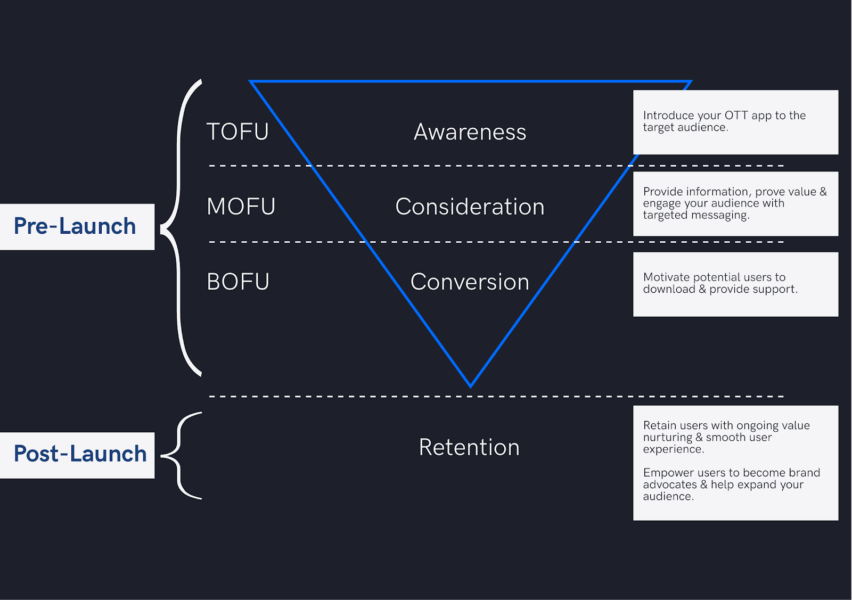
Retention is just as important as acquisition. Keep your audience coming back with personalized recommendations, interactive features, and regular updates.
Strategies to drive growth and retention:
- Post short clips or highlights on social media to give viewers a taste of your content.
- Use emails or push notifications to share updates and new releases.
- Offer interactive experiences, live events, or exclusive content to keep members engaged.
- Partner with creators or brands to reach new audiences.
- Pay attention to engagement metrics and feedback to guide your content and marketing strategy.
Gather feedback to refine the user experience, use analytics to track what content resonates, and adjust your strategy accordingly. Consistently engaging your community helps you build a loyal audience that sticks around and advocates for your platform.
Key features of a successful OTT platform
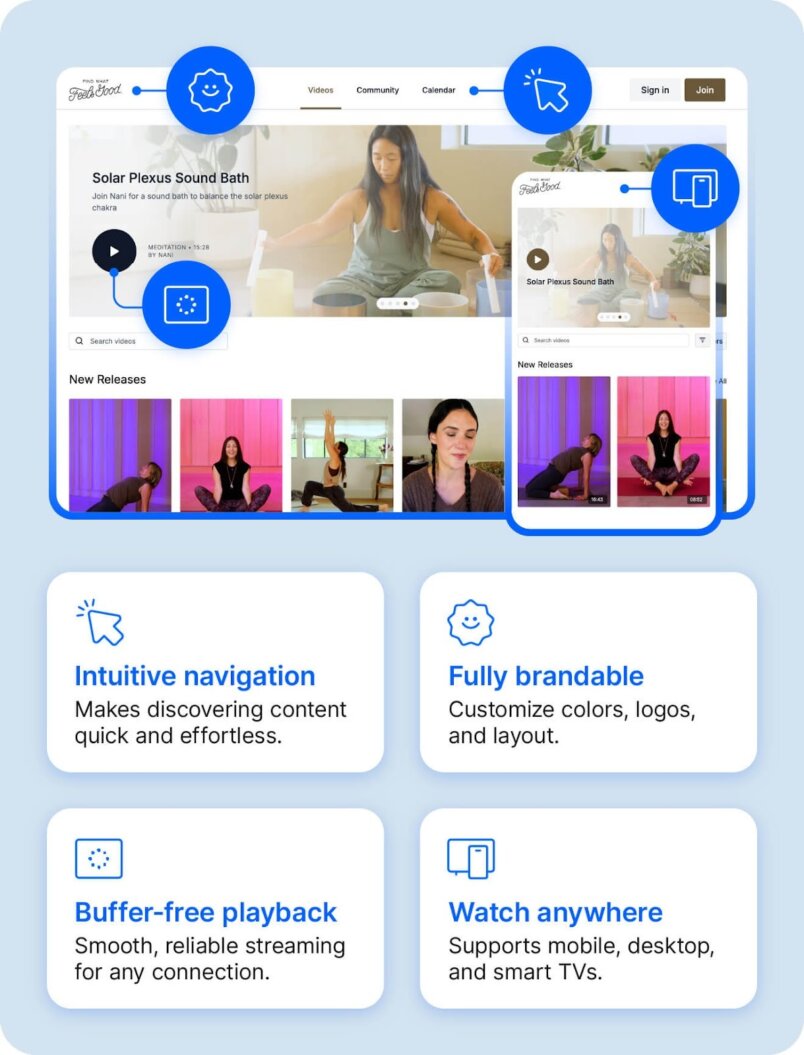
When designing your site, these are the key ott platform features to look out for to keep viewers engaged and grow your audience:
- User-friendly interface: Ensure your platform is easy to navigate. Viewers should find content quickly and effortlessly.
- High-quality streaming: Invest in good infrastructure to provide smooth, buffer-free viewing experiences.
- Multi-device compatibility: Your audience should be able to watch your content on any device, whether it’s a smartphone, tablet, or smart TV.
- Personalization: Offer personalized recommendations to keep viewers engaged.
- Secure payment gateways: Make it easy and safe for your audience to subscribe or make one-time payments.
- Easy platform customization: Design your platform to reflect your brand style and preferences.
- Real-time analytics: Track viewer behavior, engagement, and revenue instantly to make informed decisions.
Costs associated with OTT platforms
When launching an OTT platform, costs can vary widely depending on whether you choose a custom-built app or a SaaS solution, like Vimeo OTT plans or Uscreen.
Generally, expenses fall into a few main categories:
- Development or subscription fees
- Video hosting and delivery
- Ongoing maintenance
- Payment processing
- Optional extras like branding or advanced features.
Here’s a breakdown of typical costs you might encounter:
| Cost category | Typical cost | Notes |
| Platform Development | $30,000 – $100,000+ | Custom-developed apps |
| SaaS Subscription | $49 – $499/month + per-user fees | Platforms like Uscreen or Vimeo OTT |
| Video Hosting & Delivery | $50 – $500+/month | Storage and streaming |
| App Maintenance & Updates | 15-25% of dev cost/year | Updates and bug fixes |
| Payment Processing Fees | 2.5% + $0.30/sub or 10% + $0.50/txn | Subscription or rental/purchase fees |
| Custom Branding & Extras | $100 – $1,000+/month | Branded apps, analytics, APIs |
| Marketing & Support | Varies | Promo and customer support |
How launching an OTT platform can transform your reach
No matter what niche you’re in — fitness, yoga, health, education, faith — starting an OTT app has plenty of upsides, including:
- Reach a global audience, making content accessible anytime, anywhere.
- Offer a seamless, professional user experience to your audience
- Get multiple monetization options, from subscriptions to pay-per-view, and generate consistent revenue
- Improve user interaction and retention with live streaming, on-demand videos, and community engagement tools
Check out these success stories from creators who built and scaled their OTT platforms using Uscreen:
Abundance+
Take Justin Rhodes, founder of Abundance+, for example. In 2016, he started his YouTube channel and published thousands of hours’ worth of homesteading videos, sharing his stories. Like any other creator, he wanted to deliver a more exclusive, high-quality, engaging experience for his audience, compared to YouTube.
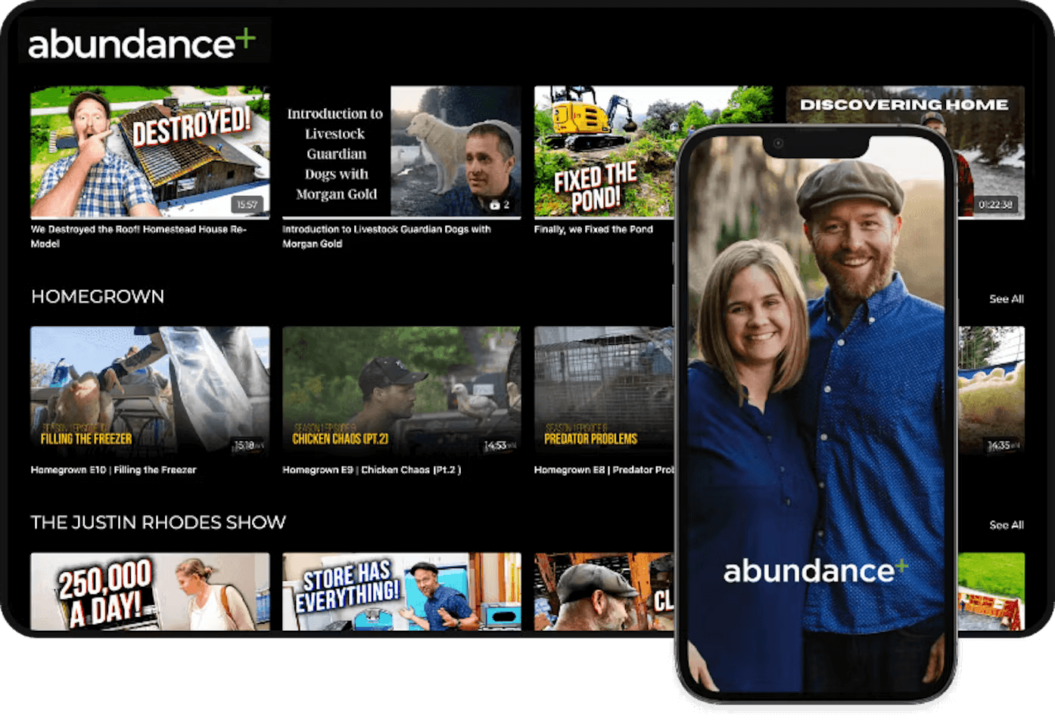
Justin soon launched his OTT streaming apps with Uscreen to create a Netflix-style membership experience. Today, the Abundance+ app is on six different devices, including iOS, Android, and TV. Along with building a thriving community for his members, Justin has also increased his revenue from $30,000 to over $130,000+ a month with the Abundance+ launch with Uscreen.

I had no idea what the OTT apps would do because it’s a whole other level. It’s a whole other investment to go beyond just the website to the OTT apps. It was one of those things where I had a sense that it would do well. I predicted that’s where the future is going with entertainment and education. I just had to gamble with an educated guess and say, ‘Let’s do it.’
Along with building a thriving community for his members, Justin has also increased his revenue from $30,000 to over $130,000+ a month with the Abundance+ OTT channel launch with Uscreen.
In the Lab+
In the Lab’s journey from a YouTube channel to an OTT platform is quite unique. Here’s why: it’s inspired by the idea of dedicating 10,000 hours to mastering a skill, symbolizing the idea of being “in the lab” to achieve excellence in your chosen field.
Two years after materializing this idea into a YouTube channel, Navin Ramharak and Devin Williams launched their own membership platform, which is now known as In the Lab+.
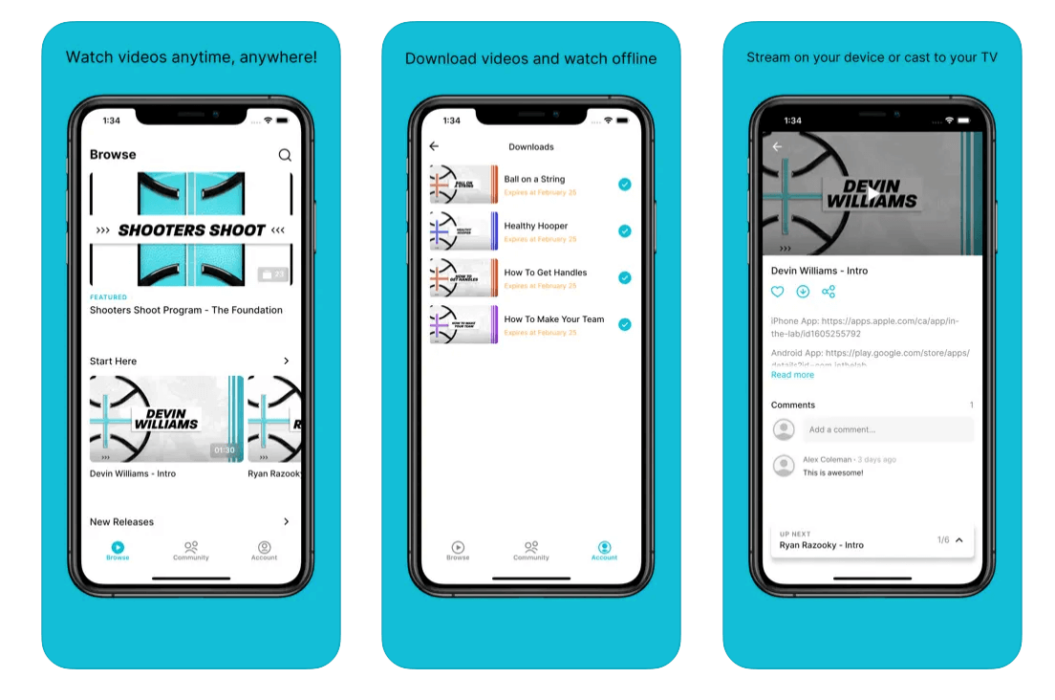
As of 2024, In the Lab has 661,000 subscribers on YouTube, 157,000 followers on Instagram, and 1,000+ active subscribers in their membership.
Having the mobile app to be fully functional on iPhone and Android within a short amount of time was huge for us. Your turnaround time was excellent. You guys kept on updating us and in the past we had issues where OTT apps would get broken with updates and basically, too many glitches.
The “In the Lab+” mobile apps (Android and iOS) account for nearly 79% of their membership’s total viewing hours and watch time, and they have almost doubled their viewer count in the past year alone.
Fittest Core
Here’s another example of a creator who leveraged Uscreen’s OTT platform to grow their business and community. Macy and Chase Pruett, founders of Fittest Core, turned their small family-run fitness operation into a thriving membership platform focused on pre- and postnatal care.
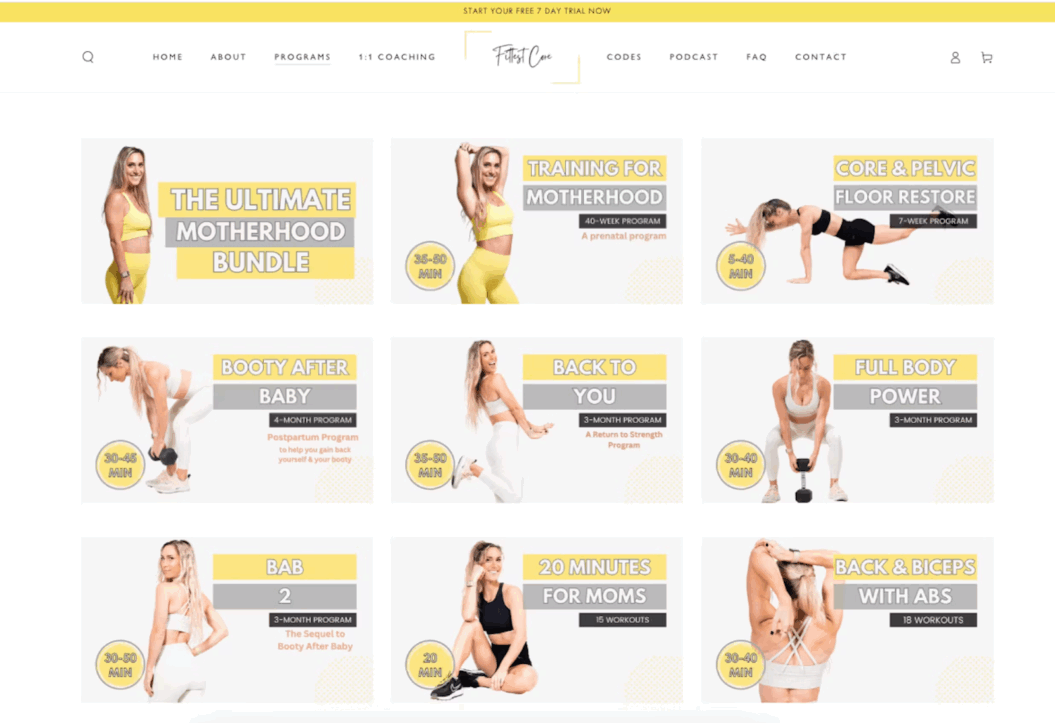
During the pandemic, they moved their classes online, starting with a Facebook group that quickly grew into a full membership platform. After running into limitations with Vimeo OTT (high costs, poor navigation, and no community tools), they migrated to Uscreen.
The results speak for themselves with 826 active members, 15% monthly revenue growth, and ~58% engagement. Uscreen’s apps and membership features help Macy and Chase streamline logistics and connect directly with members through a branded, user-friendly experience.

The changes in customer feedback and behavior since migrating to Uscreen have been night and day. Customers can now interact directly with me and other members, which is an awesome change. It’s also much easier for them to navigate the platform. When they open the app, they know exactly where to go and aren’t confused about how to start or what works for them.
The platform has also given them financial stability and predictability, letting them focus on growth rather than technical bottlenecks. Fittest Core has been able to foster a highly engaged, loyal community while simplifying backend operations through features like:
- The community tab
- Membership tools
- Calendar
- Monthly challenges
Build your OTT platform today
You don’t need to be a tech wizard or drain your marketing budget on development to create your own OTT platform. Today, platforms like Uscreen make OTT app development easier and faster than ever.
With 48% of viewers now watching content on mobile devices, delivering a seamless experience across multiple screens is essential. Uscreen helps creators host, organize, and present their content so viewers can watch however and whenever they want.
Ready to create a branded OTT platform? Start planning today and join other successful content creators who have transformed their vision into reality.
Create OTT platform FAQ
To create an OTT platform, start by choosing a provider with the features you need, develop your content strategy, set up monetization models, and finally launch your app.
Costs vary depending on features, scale, and whether you use a platform like Uscreen or hire a developer for a custom build.
Most creators can get started with a platform provider like Uscreen for around $100-$200 per month, plus per-subscriber fees. However, custom-built OTT websites typically cost $5,000-$30,000+ upfront, plus ongoing hosting and maintenance.
To start an OTT app, sign up with an OTT platform provider, upload your content, customize your app’s design, set pricing or monetization, and publish it to the web and mobile devices.
OTT (over-the-top) delivers video content directly to viewers via the internet, bypassing traditional broadcast or cable and allowing on-demand or live streaming access across multiple devices.
Some examples include Netflix, Amazon Prime Video, Disney+, and Hulu.